Γενικά
Autism - A Sign of Transition to a New Reality!
30.06.2026 · AUTIFACE
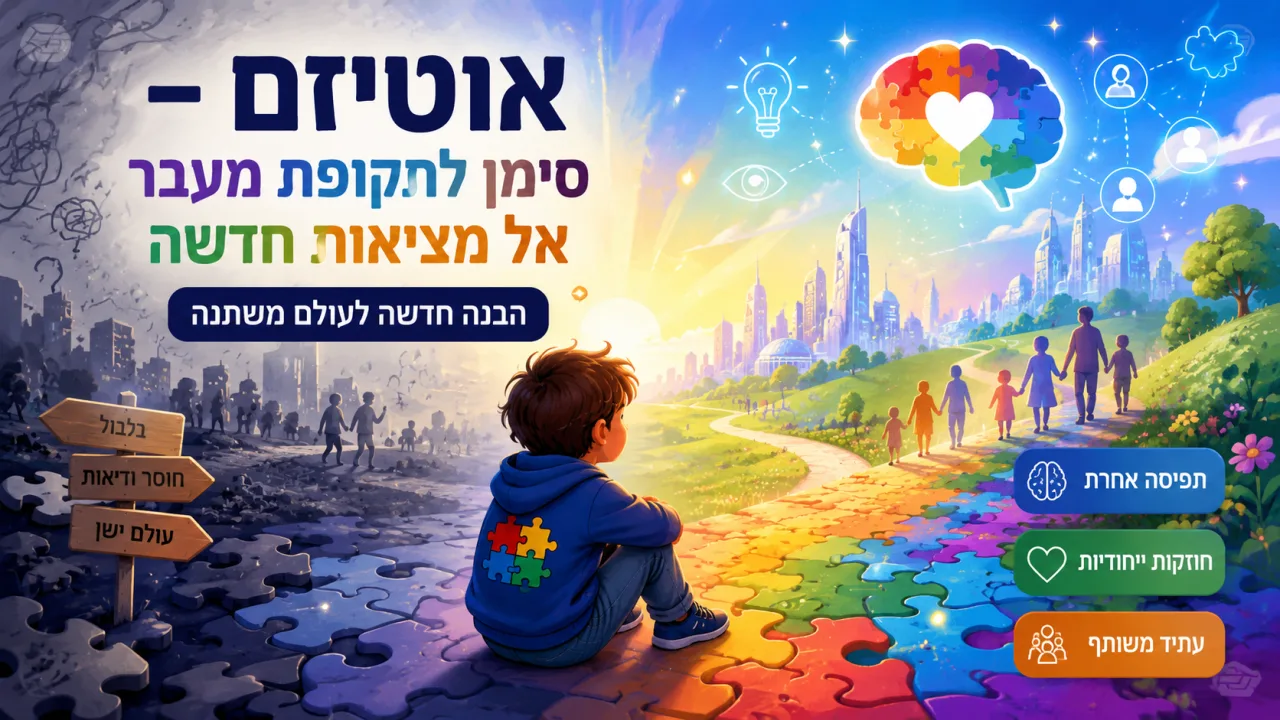
Over the past thirty years, the number of children diagnosed on the autism spectrum has risen significantly around the world. Some see this not only as a medical or social phenomenon, but also as an expression of a deeper change that all of humanity is going through.
According to this perspective, people on the autism spectrum may experience reality in a different and unique way, sometimes even perceiving layers and dimensions that most people do not grasp in the same manner. They may represent a new way of perceiving, thinking, and connecting with the changing world around us.
Humanity today is living through a period of accelerated change. Many feel that the world is becoming more complex, less predictable, and harder to understand and navigate. Within this new reality, people on the autism spectrum may hold abilities, sensitivities, and ways of thinking that can teach us a great deal about the direction in which human society is developing.
If we compare modern humans to those who lived thousands of years ago, they too would have appeared strange and incomprehensible to their contemporaries. So it is quite possible that the "difference" we observe today is not necessarily an anomaly, but part of the natural process of human development.
According to this view, autism should not be seen as a condition to be "fixed" or erased, but rather as a different way of being in the world - one that invites us to explore, learn, and better understand the many ways in which people experience reality.
Perhaps the unique qualities of people on the autism spectrum offer us a glimpse into new possibilities of communication, creativity, thinking, and human connection. This is why it is important to listen to them, learn from them, and create alongside them a more inclusive and enabling society.
Based on ideas presented in the program "The Last Generation" from 2015 with Michael Laitman
Τι σημαίνει αυτό για σένα
For families of children on the autism spectrum, this approach offers an additional perspective: to see autism not only as a collection of challenges, but also as a source of strengths, unique abilities, and a different way of understanding the world.
This means continuing to provide the child with support, tools, and professional guidance, while at the same time recognising the value of their unique point of view, respecting their ways of communicating and learning, and seeking out the spaces where they can flourish and make an impact.
When both family and society choose to see difference as an opportunity for learning and growth as well, they create a more inclusive environment for all people.
Διάβασε επίσης
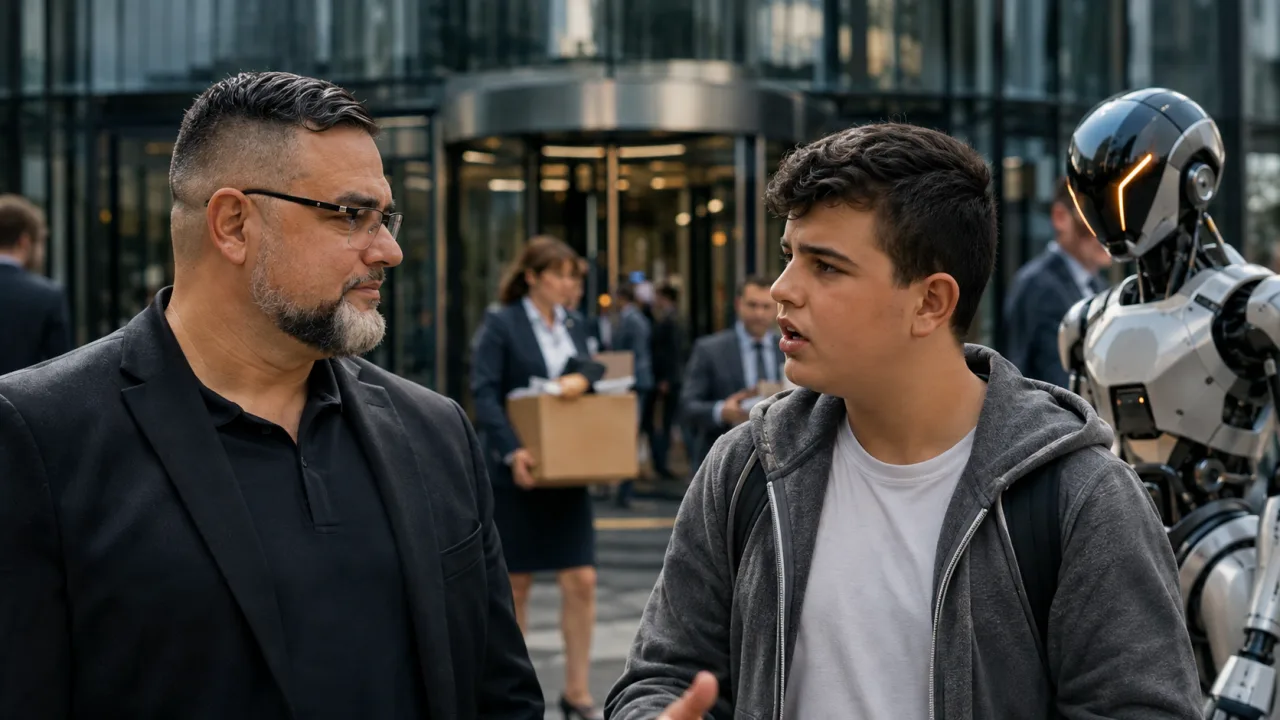 🤖 Το 2040: Όταν οι μηχανές αντικαταστήσουν τους ανθρώπους - ποια θα είναι η θέση μας στον νέο κόσμο;
›
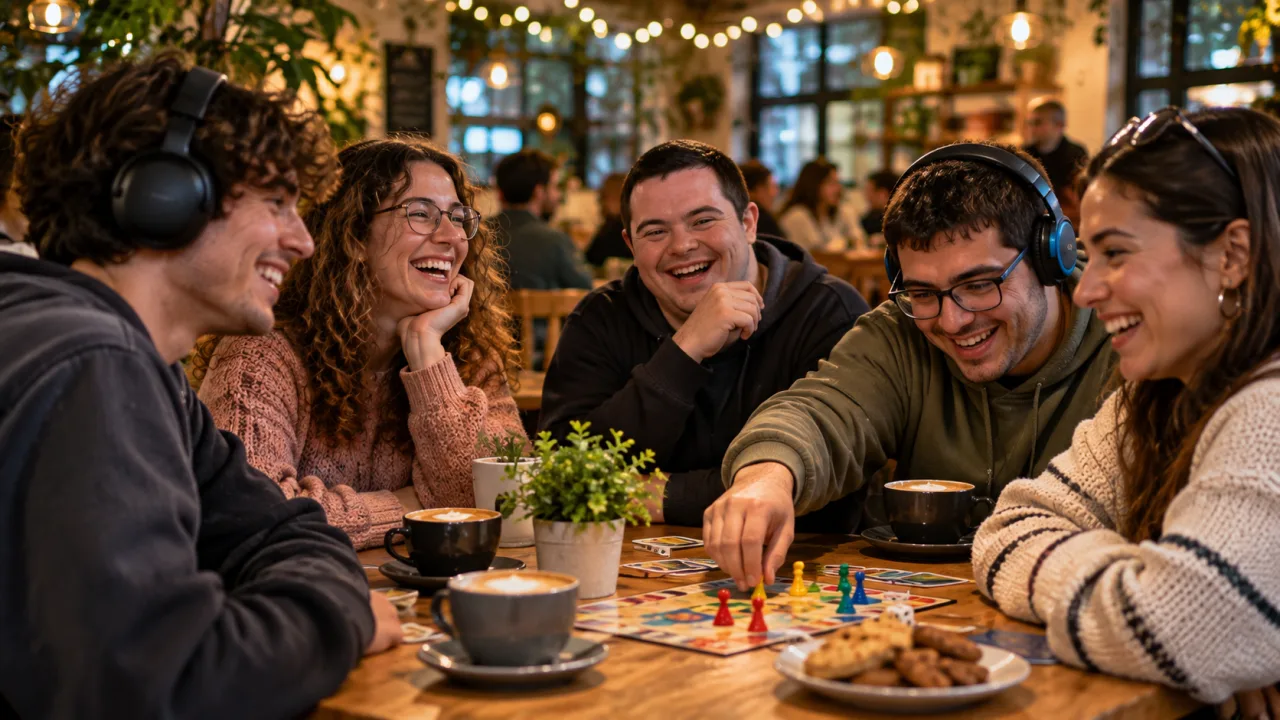 «Θέλω να διασκεδάσω, αλλά με ανθρώπους»: Ένα κοινωνικό κλαμπ στη Βοστώνη για ενήλικες στο φάσμα
›
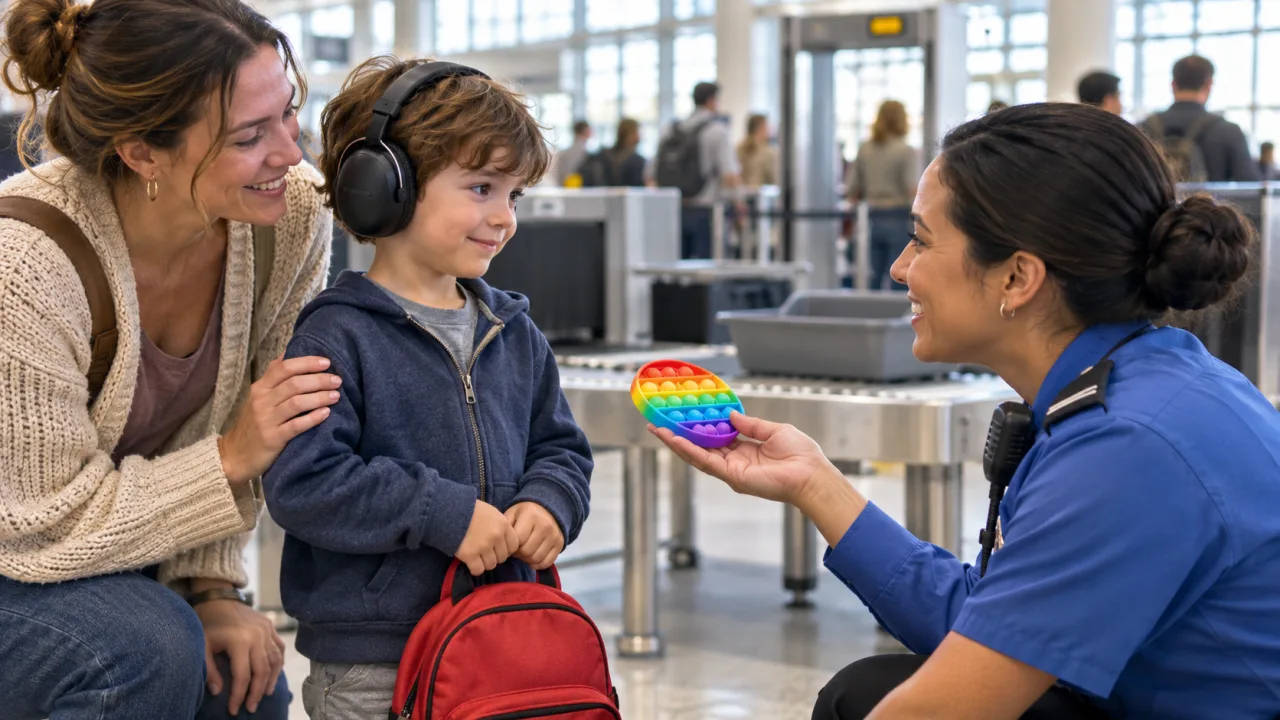 Το αεροδρόμιο του Μπέρμιγχαμ μοιράζει αισθητηριακά κιτ στους επιβάτες του φάσματος
›