Έρευνα
The Invisible Children: What Russia's First Census Revealed
12.07.2026 · Frontiers in Psychiatry

There is something that troubles many parents around the world - the feeling that their child has "fallen through the cracks" and did not receive a diagnosis in time. A new study published in April 2026 in the international scientific journal Frontiers in Psychiatry presents a particularly concerning picture: in Russia, a country with millions of children, a large-scale population survey of children with characteristics of autism spectrum disorder was conducted for the first time - and the gap between reality and official figures is enormous.
The study found that the number of children with autism in Russia may reach approximately 22 per thousand - while official data from Russia's Ministry of Health cites only about 4 per thousand. In other words, more than five out of every six children who could benefit from a diagnosis and tailored support are simply going unidentified. Researchers explain that one of the key reasons is that current diagnostic tools were developed primarily around the way autism manifests in boys. Many girls, for example, learn to "hide" their difficulties - mimicking social behaviours, keeping up a "normal" appearance in public and falling apart at home. This phenomenon is known as masking, and it leads to girls, adolescents and adults on the spectrum frequently remaining undiagnosed and going years without help.
What does this mean for families? Every delayed diagnosis is precious time lost. Early and accurate support can change the entire trajectory of a child's life - in learning, in social relationships and in their sense of confidence. Even in Israel, which leads the field in autism awareness, there are children - and especially girls - who receive their diagnosis far too late, sometimes only in adolescence or adulthood. The findings of the Russian study are an important reminder: a diagnosis is not a label - it is a key to access to real support, adapted education and the resources that every child and family deserves.
At AUTIFACE, we believe that every child deserves to be seen - not only by their parents, but also by the system. When a family finally finds answers, when the right diagnosis comes at last - that is not the end of the road but the beginning of genuine understanding. Our community exists for exactly this reason: to share experience, to guide families toward professionals and to ensure that no parent goes through this journey alone.
Τι σημαίνει αυτό για σένα
If you have a feeling that your child has still not been correctly diagnosed, or that a younger sister is "managing" but something is not quite right - you are not imagining it. This research validates the instinct of thousands of parents and is a reminder that earlier is always better.
Πηγή: Frontiers in Psychiatry
Διάβασε επίσης
 🤖 Το 2040: Όταν οι μηχανές αντικαταστήσουν τους ανθρώπους - ποια θα είναι η θέση μας στον νέο κόσμο;
›
 «Θέλω να διασκεδάσω, αλλά με ανθρώπους»: Ένα κοινωνικό κλαμπ στη Βοστώνη για ενήλικες στο φάσμα
›
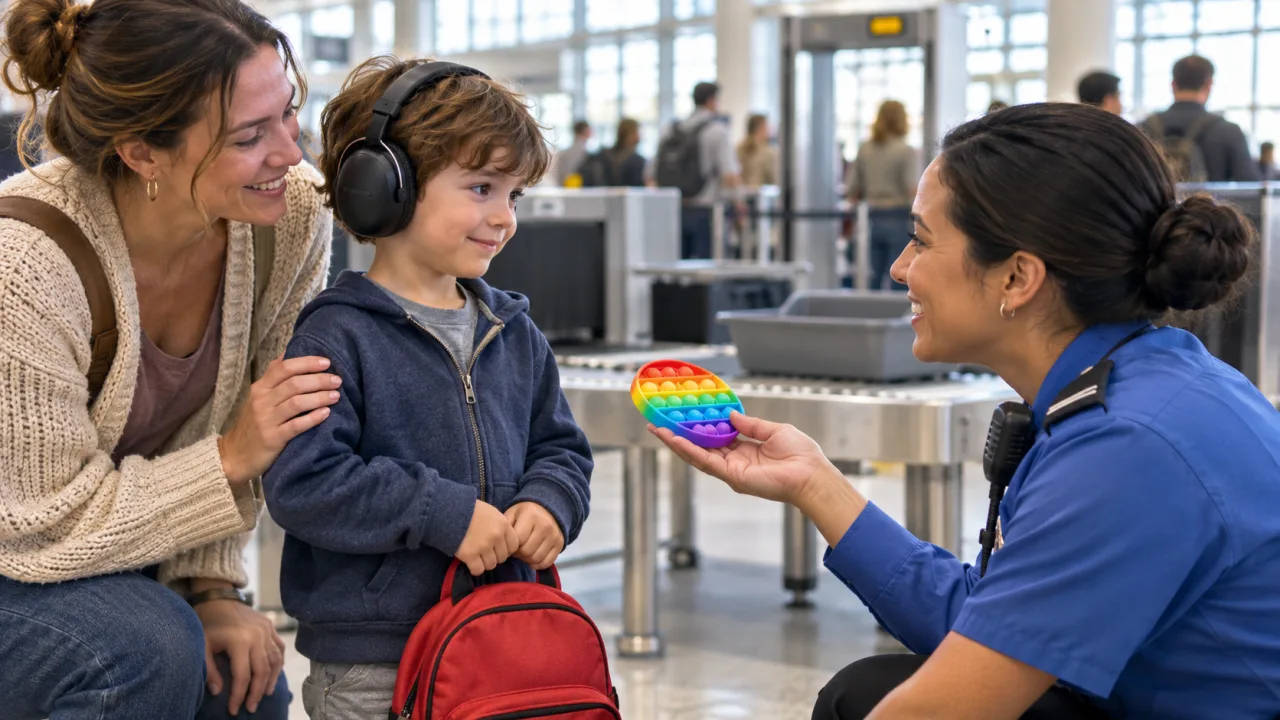 Το αεροδρόμιο του Μπέρμιγχαμ μοιράζει αισθητηριακά κιτ στους επιβάτες του φάσματος
›