General
Everyone talks about children with autism. But what happens when they grow up? The topic the world has finally started to discover.
14.09.2026 · AUTIFACE
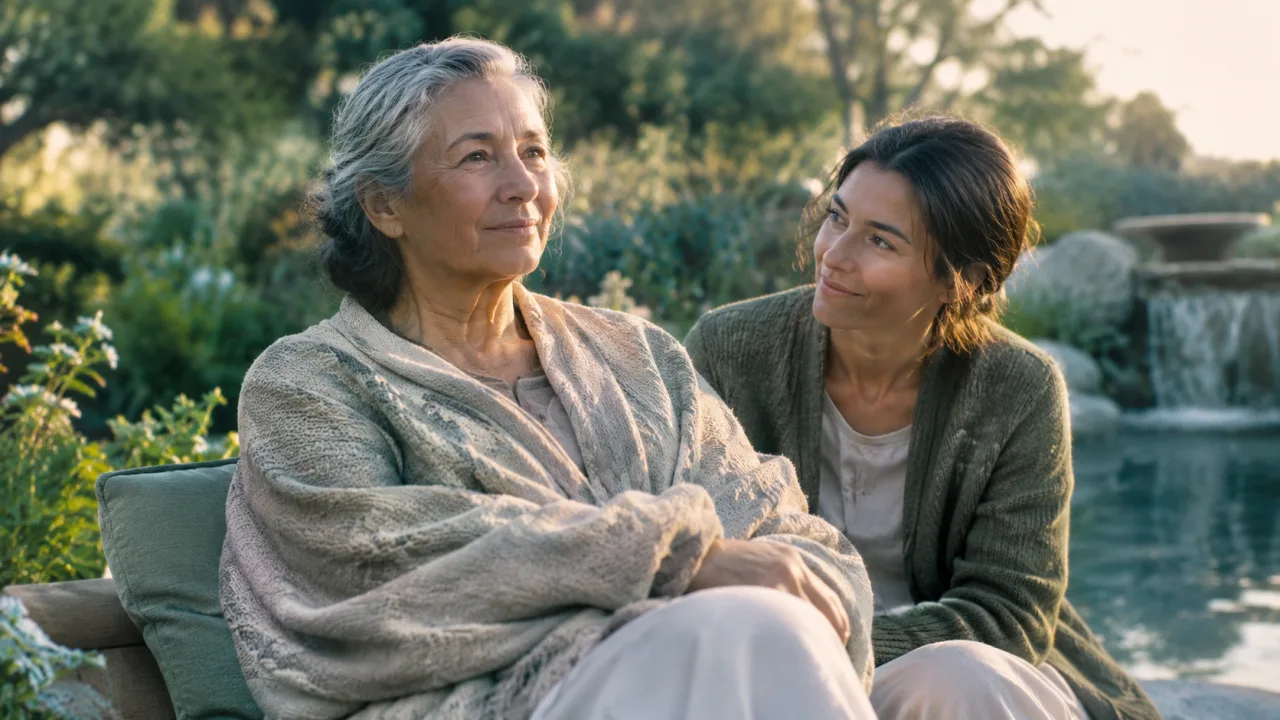
Think for a moment about the image that comes to mind when someone says "autism." Almost always, it's a child. A young child, in preschool, in a classroom, in therapy. And that makes sense, because that's where it all begins. But there's a simple truth that gets forgotten again and again: children on the spectrum grow up. They become teenagers, then adults, and eventually elderly people.
And what happens then? Almost no one talks about it. And that, precisely, is the problem.
According to a United Nations report, the aging of people on the spectrum is no longer a narrow topic reserved for specialists alone. We're talking about genuine human rights - access to appropriate medical care, employment, housing, and the basic capacity of society to include people at every stage of life, not just in childhood.
Experts point to a major shift in approach, and perhaps this is the most important part. Instead of pouring all the energy into trying to "fix" a person and make them like everyone else, there is a growing understanding that the environment needs to be adapted to fit the person.
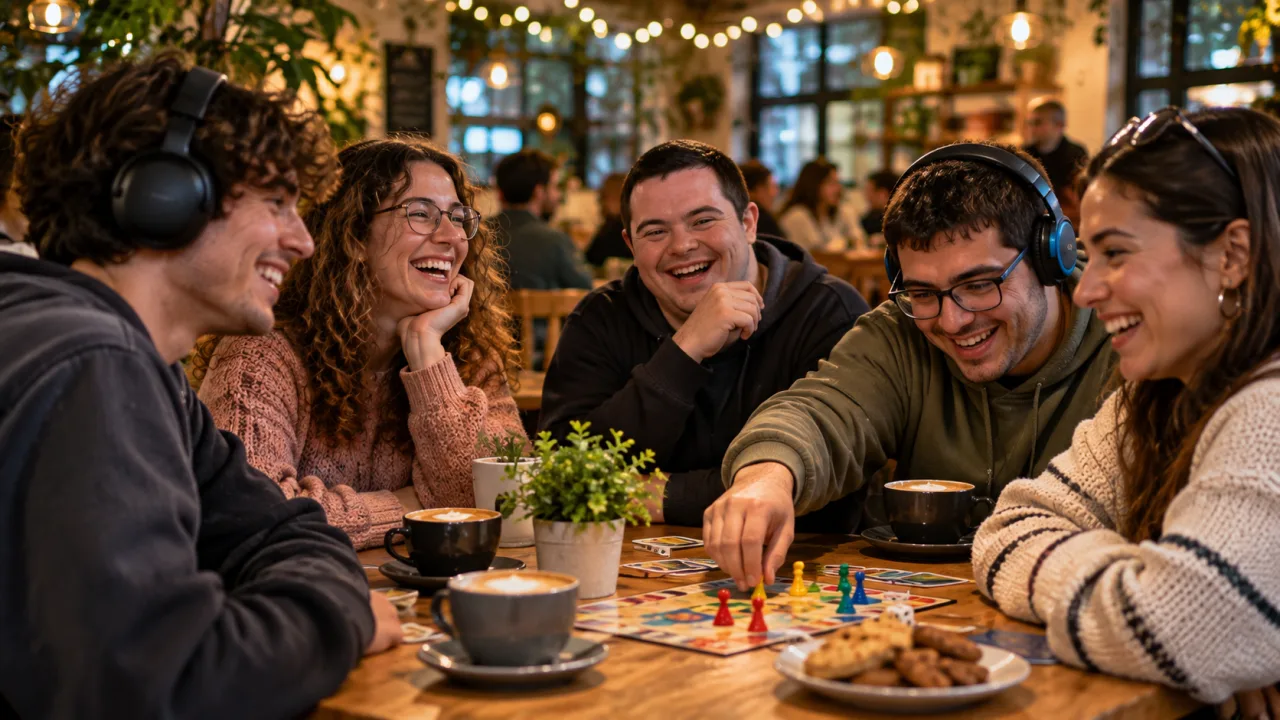
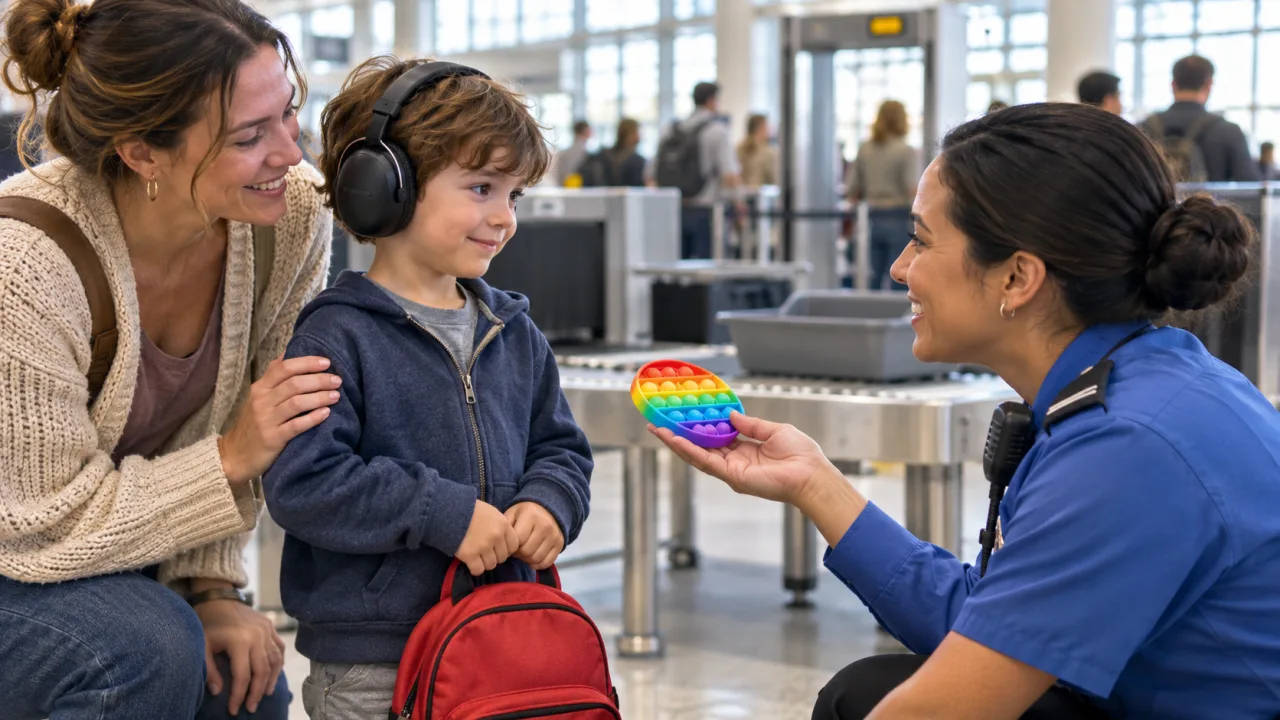
What does that look like in practice? It means accounting for sensory sensitivities. Reducing the overload of noise, light, and chaos. Building spaces where a person on the spectrum can genuinely participate - work, create, and belong. Not as a favor, but as a right.
This is a quiet revolution, but a profound one. It says that the world needs to change in order to include the person - not that the person needs to break themselves in order to fit the world.
What this means for you
If there is an adult on the spectrum in your family, it's important to know that needs change with age - but the right to dignity, independence, and support never disappears.
Long-term planning is key. A sensory-friendly environment, a stable framework, and a supportive community make all the difference between a life of mere survival and a life of meaning.
And remember this one sentence - it's worth everything: it is never too late to adapt the world to the person, rather than expecting the person to adapt themselves to the world. That's true at age 3, and it's true at age 63.