Research
When the Brain Receives Gentle Stimulation: New Technology May Improve Communication and Language in Children on the Spectrum
28.07.2026 · הידברות
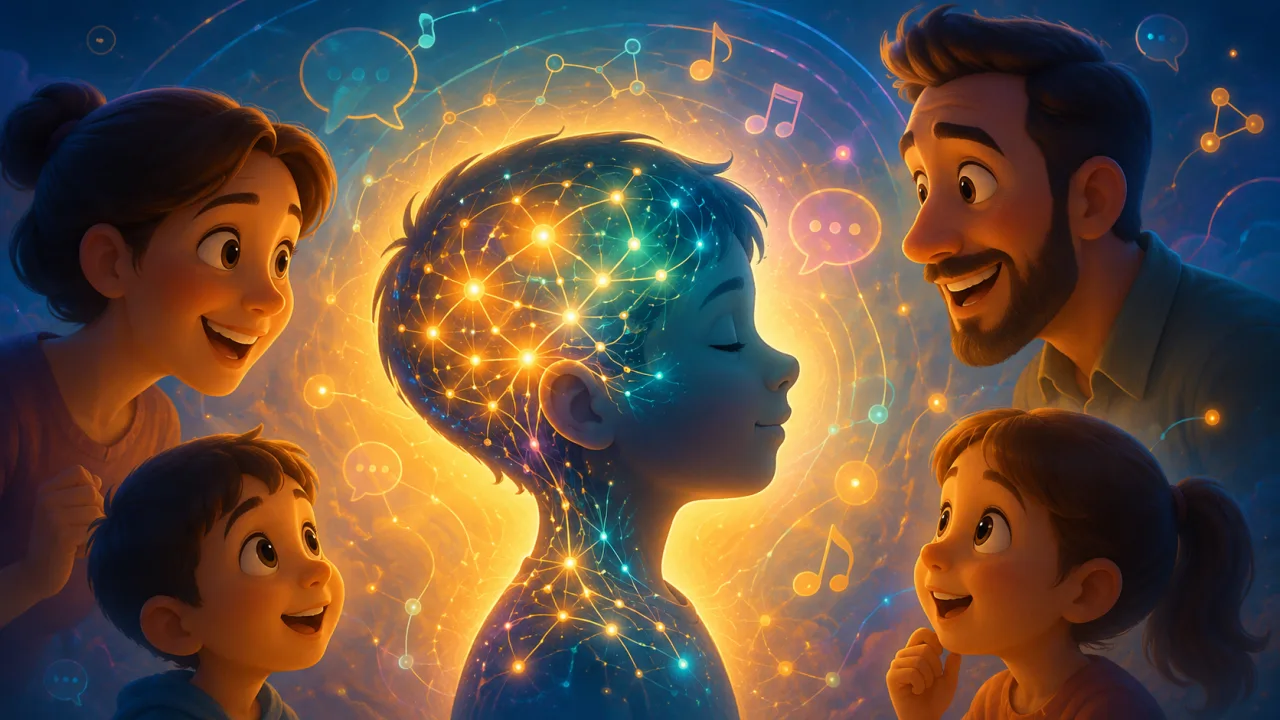
Every parent whose child struggles to speak, to communicate, to express themselves - knows how much each new word, each glance of understanding, is worth the whole world. Recently, news from the world of neurology has been generating real interest: a method of gentle, non-invasive brain stimulation is being studied as a way to strengthen communication and language abilities in children on the autism spectrum. Not a medication, not surgery - but rather an external, quiet, controlled stimulus that helps the brain build new connections.
What does this actually involve? There are two main technologies currently under development and research: TMS - magnetic stimulation of specific areas of the cerebral cortex, and tDCS - stimulation using a very mild direct electrical current (extremely weak, neither felt nor painful). Both aim to activate brain regions involved in language processing and social communication, helping them function more efficiently. In a recently reviewed study involving hundreds of children between the ages of 4 and 10, promising preliminary results were found in the areas of language and communication ability. The study, which lasted more than two years, is one of the largest trials conducted in this field to date.
It's important to be honest: this is still an emerging area of research, and not a solution that will be on pharmacy shelves tomorrow morning. Brain stimulation does not replace speech therapy, occupational therapy, or the daily dedication that families pour into their children. It is being studied as a complement that may enhance the effectiveness of existing treatments. In Israel, neuromodulation already exists for other medical uses - and as research in the field of autism advances, it is possible that in the coming years, children on the spectrum will be able to benefit from it as well.
In our AUTIFACE community, we know very well that there is no single solution that fits every child - because every child on the spectrum is a world unto themselves. But every new research direction, every additional therapeutic tool, is another layer of hope and possibility. The great strength of a community like ours is that when news like this arrives - we share it together, examine it, ask questions, and learn from one another.
What this means for you
If research continues to demonstrate effectiveness, gentle brain stimulation may join the toolkit of Israeli therapists and strengthen existing treatments - enabling more children to develop communication and language abilities.
Source: הידברות